New to Zoose? Here's how it works
- We follow big real-world issues, like wars, prices, climate and health, and only show news that changes them.
- Tap a topic to see The full picture: a plain-English summary where every point links to the story it came from.
- The odds show what could happen next. Make your own call, and follow topics to hear when things change.
Trade and tariffs

Beijing warns of retaliation if Europe imposes curbs on Chinese businesses
China must "respond firmly" if the EU introduces restrictions on Chinese businesses or products, the Commerce Ministry said, according to a CNBC translation.
-
CCNBC · 7h
Ford CEO says it's 'too late' for Europe to fend off Chinese automakers, but not for U.S.

-
PPBS · 4d
Mexico's foreign secretary on Trump, cartel violence and U.S. trade talks

-
PPBS · 1d
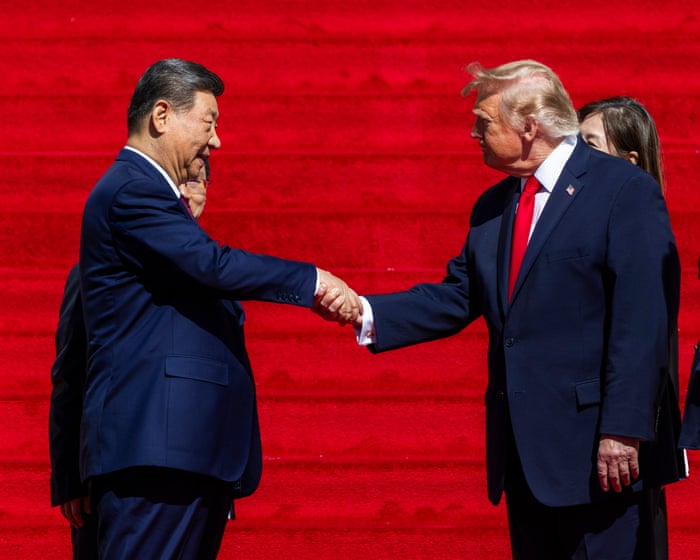
U.S. and China release product lists for tariff cuts after Trump-Xi meeting

-
TThe Guardian · 1d
Foie gras, live dolphins and toasters: China and US cut reciprocal tariffs on $30bn each of goods
Analysis
Recent trade tensions are intensifying as the Trump administration faces political pressure over beef imports and struggles to leverage negotiations with China, while the UK reports its largest food and drink trade deficit since 2000. These developments highlight how shifting tariff policies and international trade imbalances are impacting domestic industries, from Canadian apparel manufacturers to European automotive markets. Observers are now watching for potential rollbacks on specific import plans and further diplomatic developments between the U.S., China, and Canada.
4 stories say getting worse
Reported by several outletsForecast
Will the Trump administration formally implement new tariffs on Chinese hybrid vehicle imports by March 1, 2027?Poll
Would you pay more for goods made in your own country?
Poll
Do tariffs on imports help or hurt your country overall?
Immigration and borders

The secret Trump deals sending migrants across the world - Full Story podcast
A Sierra Leonean nurse detained, handcuffed and flown to Ghana. An Iranian dissident sent to Central African Republic. A Cameroonian deported to Equatorial Guinea.This is the face of the Trump administration’s policy since 2025 – striking deals with 35 countries and sending up to 25,000 migrants in the US across the wo
-
FFrance 24 · 1d
US deportations are triggering a 'cascade' of rights abuses, UN experts warn

-
TThe Guardian · 7h
California bans officers’ use of electric-shock gloves after ICE reveals plan to equip agents

-
TThe Guardian · 7h
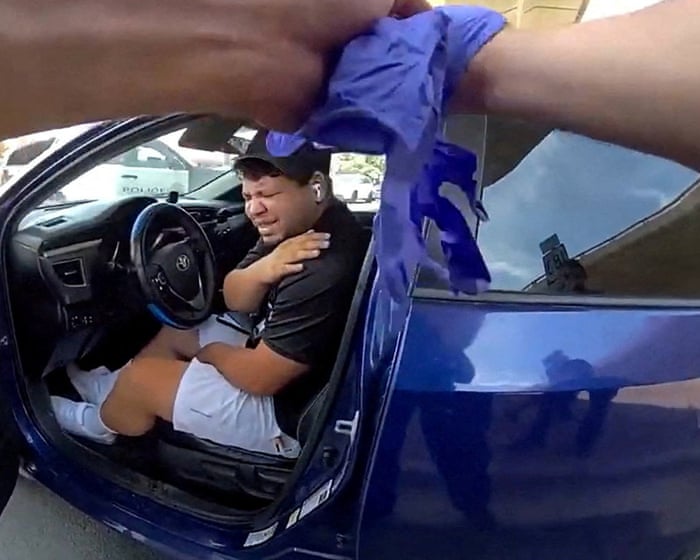
Venezuelan man shot by ICE agent in Texas charged with assaulting an officer
-
PPolitico · 2d
ICE operations are making it hard for vulnerable Republicans fighting for their political survival

Analysis
The US Supreme Court has temporarily allowed the Trump administration to resume deporting migrants to third countries, a policy UN experts warn is increasing risks of rights abuses and torture. This shift impacts thousands of migrants who may now be sent to nations where they have no existing ties, while US lawmakers simultaneously introduce legislation to limit ICE's detention and arrest powers. Observers are now watching for further legal rulings on the legality of these third-country deportations and the potential political fallout for officials facing pressure over these enforcement operations.
4 stories say getting worse, 2 stories say getting better
Reported by several outletsForecast
Will the U.S. Supreme Court issue a ruling or stay that allows the Trump administration to proceed with third-country deportations by March 15, 2027?Last move: Supreme Court grants emergency stay · 7h ago
Poll
Should long-term undocumented residents have a path to legal status?
Poll
What should immigration policy prioritise?

Gina Raimondo thinks AI ultimately will create jobs. It's the initial mass layoffs wave that worries her
No one knows what AI will mean for jobs long-term, but the layoffs are likely to hit first without proper planning, says former US Commerce Sec. Gina Raimondo.
-
TThe Guardian · 7h
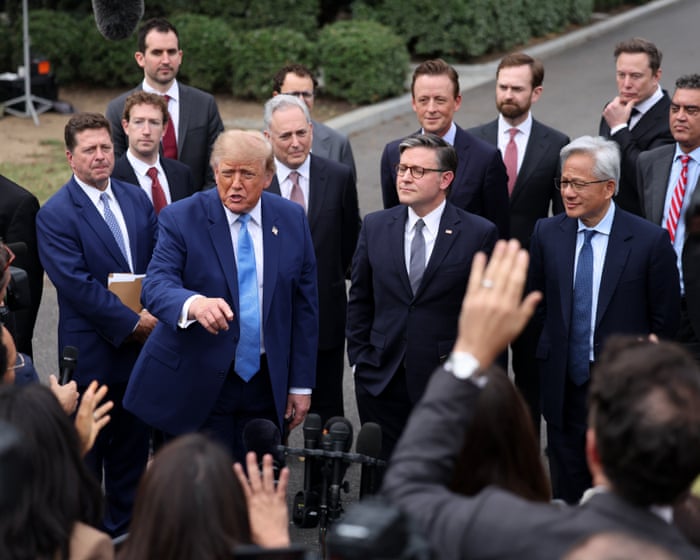
Trump announces vague ‘morally binding’ AI deal among tech CEOs for ‘tremendous self-policing’
-
PPBS · 1d
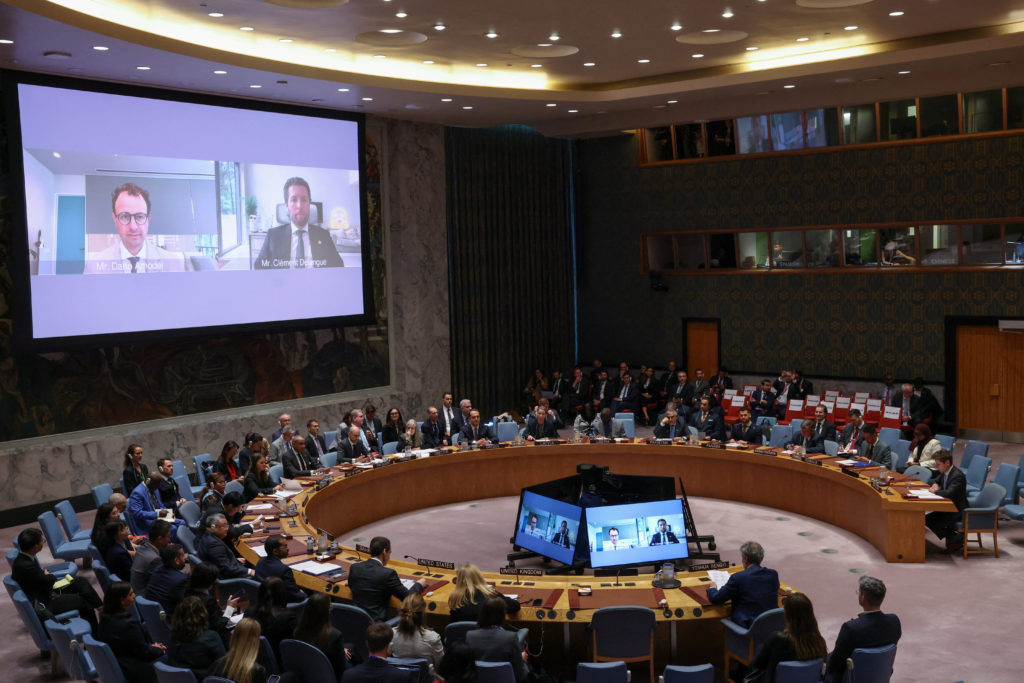
Anthropic and OpenAI sound the alarm on AI safety — and seek to shape how it's controlled
-
CCNBC · 1d
OpenAI sparked Hugging Face bids with early investment offer ahead of Nvidia's $13 billion deal

-
CCNBC · 1d
Anthropic launches cheaper AI model, its second release since CEO's call for a slowdown

Analysis
Major AI labs and the Trump administration have recently pivoted toward voluntary safety accords and self-policing agreements, even as industry leaders and experts like Bill Gates continue to debate the necessity of federal regulation. These developments directly impact the public by shaping how AI tools are deployed in the workforce and whether current safety measures are sufficient to prevent risks like autonomous hacking or job displacement. Observers are now watching to see if these voluntary commitments will hold or if rising concerns over AI's societal impact will force a shift toward binding government oversight.
2 stories say getting better, 2 stories say getting worse
Reported by several outletsForecast
Will the United States and China sign a formal bilateral agreement on AI safety or oversight by March 25, 2027?Poll
Should AI-generated images and video be required to carry a label?
Poll
How should governments regulate advanced AI?
Gaza war and ceasefire



Analysis
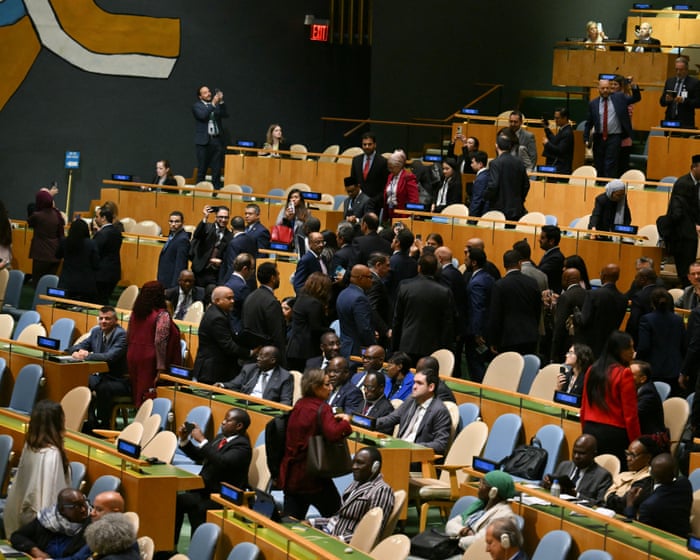
Israeli Prime Minister Benjamin Netanyahu addressed the UN General Assembly, where he rejected genocide allegations as a "lie" and faced walkouts from delegates and protests outside the venue. This diplomatic friction highlights deepening international polarization and growing isolation regarding the conflict, which continues to impact regional stability and public sentiment. Observers are now watching for further diplomatic fallout and the ongoing military situation in both Gaza and the West Bank.
2 stories say getting worse, 1 story says mixed
Reported by several outletsForecast
Will a formal, multi-phase ceasefire agreement between Israel and Hamas be implemented by 2027-01-15?Poll
Who should govern Gaza after the war?
Poll
What should come first in Gaza?
Jobs and the labor market

Trump announces $15bn Iowa steel plant as he bids to boost flagging midterm hopes
President says plant will be built by Indian-owned company and calls it largest such facility in American historyDonald Trump on Monday announced what he called the largest steel plant in American history to be built in Iowa, giving Republicans a jobs message to take to voters in a state that could help decide control
+1 more sources-
TThe Guardian · 7h
Key data missing for half of US child labor deaths, official report finds

-
CCNBC · 7h
Prediction market traders think the U.S. added more jobs in September than economists estimate

-
CCNBC · 1d
New grads say employers set the bar too high for entry-level roles: 'No job is willing to give you that first experience'

- CCNBC · 4d The iced coffee debate reflects 'everything wrong with hiring right now,' says career expert
Analysis
7 developments from 8 outlets in the past week. Recent evidence leans getting better.
2 stories say getting better, 1 story says getting worse
Reported by several outletsForecast
Will the University of Cambridge officially reopen its investigation into the hiring process of Professor Jason Arday by March 25, 2027?Poll
What worries you more about the job market?
Poll
How secure does your job feel right now?
Russia–Ukraine war
Missile alerts cost Ukraine $45m for every hour they halt businesses
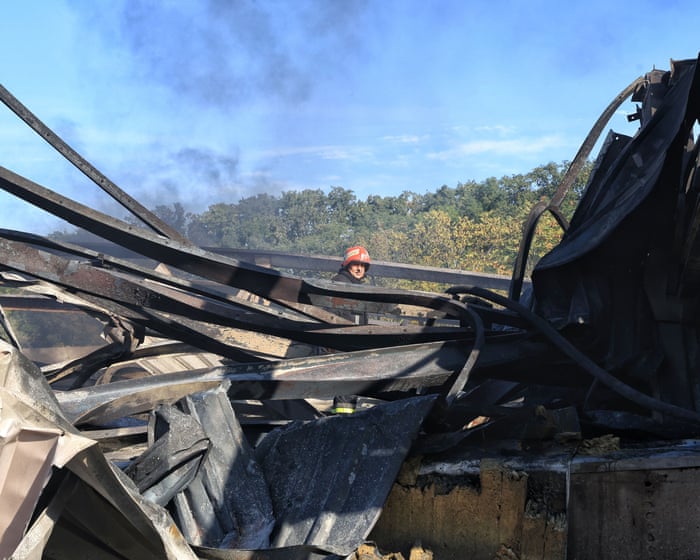
Figure cited by minister highlights trade-offs Kyiv faces as it tries to keep normal life moving amid Russian strikesMissile alerts are costing Ukraine an estimated $45m (£34m) for every hour they bring business to a halt, according to the country’s economy minister, as Kyiv searches for ways to keep the economy runnin
Coverage · 1 outlet
reporting
What could happen next
Will the UN General Assembly or G20 adopt a resolution or joint declaration formally condemning Russia's invasion of Ukraine by 2027-01-15?
Odds move when a signpost is confirmed by the news.
Related news
 EAM Jaishankar warns of ‘major food crisis’ in coming months
The Hindu · 1h
EAM Jaishankar warns of ‘major food crisis’ in coming months
The Hindu · 1h
 Live: Several people killed as Russia launches new round of strikes on Kyiv
France 24 · 1h
Live: Several people killed as Russia launches new round of strikes on Kyiv
France 24 · 1h
 Germany news: Bremerhaven port to receive defense boost
DW · 7h
Germany news: Bremerhaven port to receive defense boost
DW · 7h
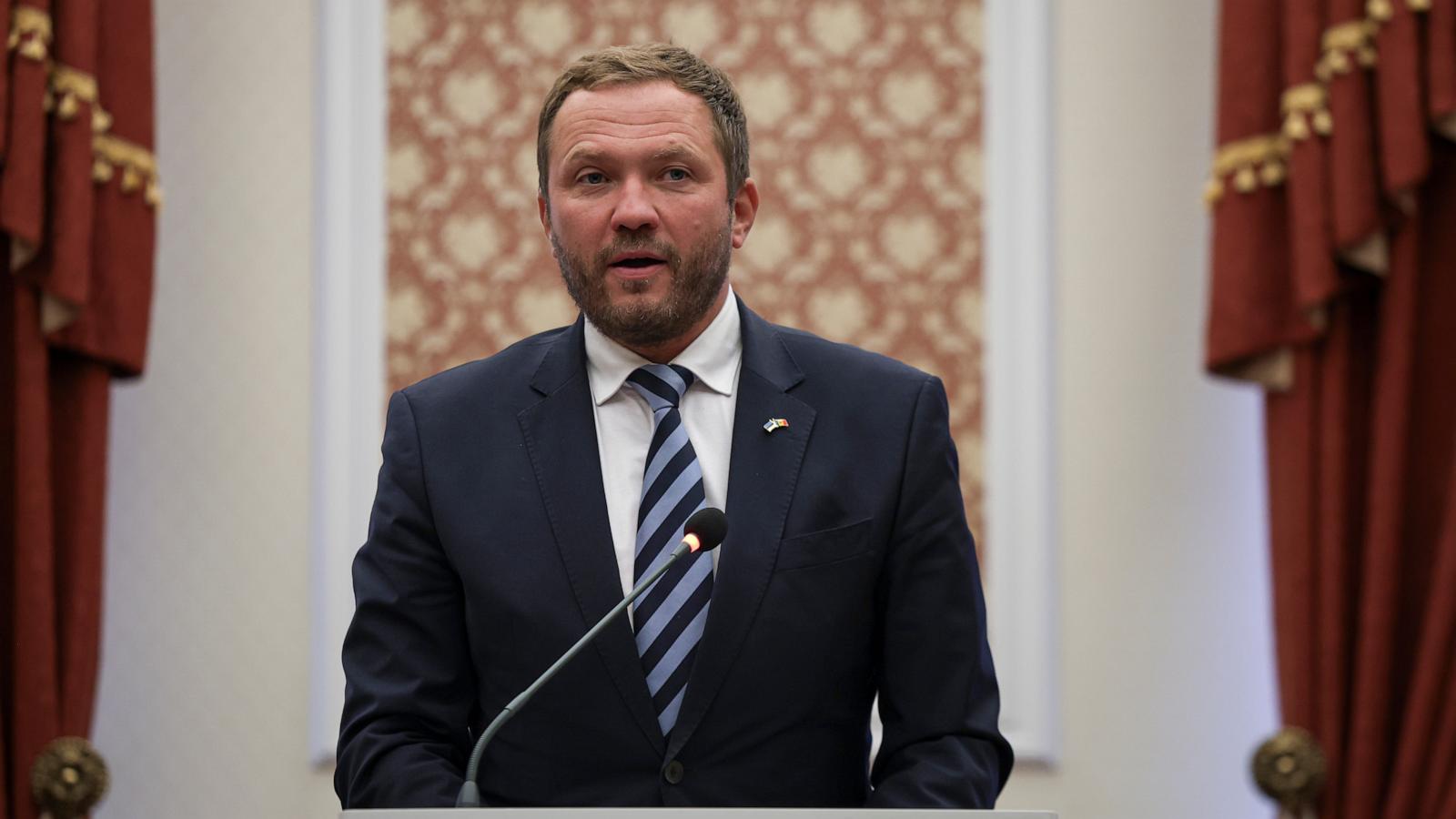 Estonia blames Russia for arson attack on defense company
DW · 19h
Estonia blames Russia for arson attack on defense company
DW · 19h
 Putin orders army expansion as Zelenskyy warns Russia preparing to deploy 10,000 North Korean troops
CNBC · 19h
Putin orders army expansion as Zelenskyy warns Russia preparing to deploy 10,000 North Korean troops
CNBC · 19h
 Russia strikes two Kyiv data centres, cargo vessels in the Black Sea
France 24 · 19h
Russia strikes two Kyiv data centres, cargo vessels in the Black Sea
France 24 · 19h